June 5, 2026
Upgrading your property's exterior features does not have to drain your bank account or disrupt your financial peace of mind. Investing in affordable window replacements allows homeowners to achieve a modern aesthetic while simultaneously lowering monthly utility expenses. By prioritizing strategic planning and smart material selection, you can maximize your long-term return on investment without sacrificing quality.
Analyzing the Financial Benefits of New Windows
Upgrading your home's glass apertures yields immediate financial returns that extend far beyond a simple aesthetic facelift. Old, drafty panes are notorious for leaking treated air, forcing heating and cooling systems to work overtime and driving utility bills skyward. According to This Old House, approximately 20% of respondents report energy efficiency-related cost savings as the primary motivation for purchasing replacement windows. By curbing this thermal transfer, you establish a more sustainable baseline for your monthly operational costs. Furthermore, modern window designs require significantly less maintenance, saving you money on paint, scrapers, and specialized sealants over time. When considering long-term property valuation, integrating cost-effective window replacements serves as a compelling selling point that attracts discerning buyers who prioritize structural efficiency and lower operational overhead. This initial capital expenditure quickly transforms into an active asset, shielding your household from rising energy costs and elevating the comfort levels of every interior living space.
Selecting the Right Window Framing Materials
Choosing an appropriate frame substance is one of the most critical decisions affecting both the upfront and long-term costs of your project. Vinyl remains the undisputed champion of affordable window upgrades, offering excellent thermal insulation and requiring virtually zero maintenance at a fraction of the cost of premium materials. Aluminum frames provide a sleek, durable, and highly affordable alternative, though they require thermal breaks to prevent heat conduction in extreme climates. Fiberglass occupies a slightly higher price point but offers unmatched longevity and strength, making it a highly durable, cost-effective option over its multi-decade lifespan. It is essential to weigh the environmental factors of your region against these material characteristics; for instance, coastal environments demand non-corrosive properties that vinyl inherently possesses, which eliminates the need for expensive rust-treatment applications down the road. By thoroughly analyzing these framing profiles, homeowners can avoid overpaying for unnecessary structural features while securing the exact durability and insulation levels their specific properties require.
Evaluating Energy Efficient Glass Configurations
Optimizing the glass package within your window replacements is where true, compounding utility savings are secured year after year. Double-pane windows have become the modern industry standard, utilizing an insulating pocket of air or inert gas between the sheets to drastically slash heat transfer. Selecting glass treated with a Low-Emissivity (Low-E) microscopic metallic coating reflects infrared and ultraviolet light, keeping your interior ambient temperature stable regardless of outdoor volatility. For maximum cost efficiency, analyze the Solar Heat Gain Coefficient (SHGC) and U-factor ratings to select a glass configuration tailored specifically to your regional climate zones. Homeowners living in northern, colder regions should prioritize a low U-factor to retain indoor heat, whereas those in sun-drenched southern climates benefit most from a lower SHGC to repel intense solar radiation. Investing time into understanding these technical specifications prevents you from purchasing over-engineered triple-pane systems when a well-configured double-pane unit could deliver identical financial benefits for a fraction of the initial cost.
Choosing the Most Economical Window Styles
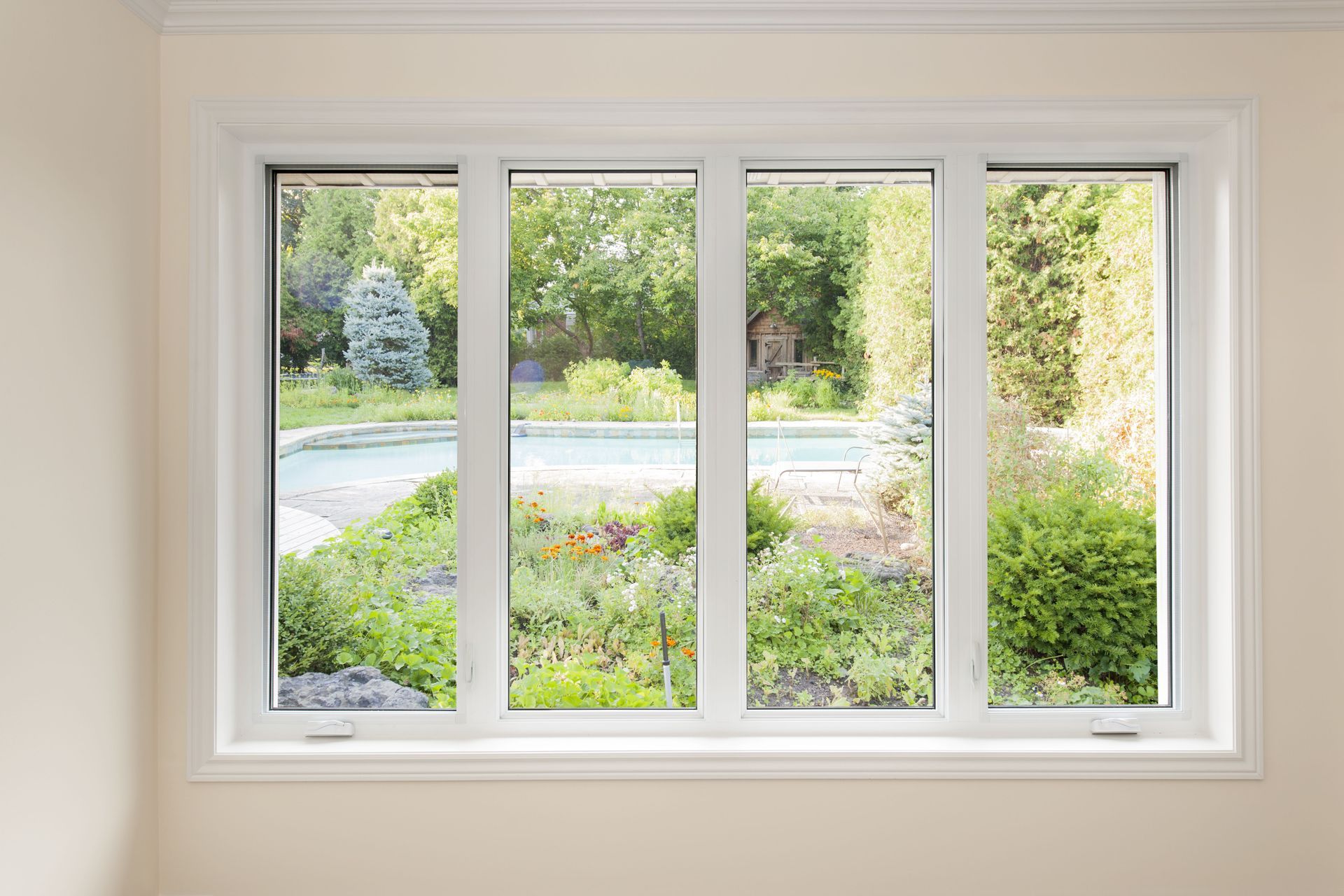
Prioritizing simpler, classic operational designs during the ordering process keeps fabrication and mechanical hardware costs down. Single-hung and double-hung windows are highly standardized, widely manufactured, and exceptionally cost-effective compared to specialized architectural designs. Fixed or geometric picture windows offer the absolute highest thermal efficiency at a lower price point because they contain no moving parts or complex mechanical hardware. Avoiding complex configurations like custom bow, bay, or crank-operated awning frames will keep your structural modification costs low and prevent unnecessary strain on your remodeling budget. When planning your layout, consider mixing styles strategically by placing inexpensive fixed windows in areas where ventilation is not required and reserving functional hung windows for spaces that necessitate airflow. This hybrid approach to selecting your window replacements ensures you achieve optimal ventilation, premium visual appeal, and structural integrity without inflating your manufacturing or installation invoices.
Planning the Installation for Maximum Savings
Timing your purchase and choosing the appropriate installation methodology can yield hundreds of dollars in additional structural savings. Scheduling your project during the off-peak seasons, such as late winter or early autumn, often allows you to secure substantial promotional discounts from local contractors. Opting for insert or "pocket" window replacements preserves the existing exterior trim and interior casing, drastically reducing labor hours and material expenses compared to full-frame teardowns. Gathering multiple detailed estimates from licensed, insured professionals ensures you secure competitive labor rates while maintaining strict warranty protections. It is wise to cross-reference contractor bids, ensuring that cleanup, disposal fees, and old window removal are explicitly included in the written contract to avoid surprise surcharges on installation day. Taking the time to properly prep your home before the crew arrives, such as clearing furniture and removing window treatments, can also streamline the workflow, reducing labor disruptions and ensuring a seamless, highly economical installation process.
Utilizing Government Incentives and Rebates
Reducing the net cost of your home improvement project is often as simple as filing the correct paperwork with local and federal entities. The Energy Efficient Home Improvement Credit allows qualified taxpayers to claim substantial federal tax credits on certified energy-efficient models. Local municipal utility companies frequently offer targeted cash-back rebates to homeowners who upgrade from single-pane units to Energy Star-certified products. Combining these public subsidies with manufacturer promotions effectively lowers your total capital expenditure, accelerating the timeline required for the upgrade to fully pay for itself. Navigating these financial programs requires due diligence before making a purchase, as many rebates require explicit pre-approval or certified installation by accredited green professionals. By systematically compiling your receipts, manufacturer certification statements, and energy ratings, you can maximize your tax season write-offs, effectively turning bureaucratic incentives into direct discounts on your high-quality window replacements.
Maintaining Your Investment for Longevity
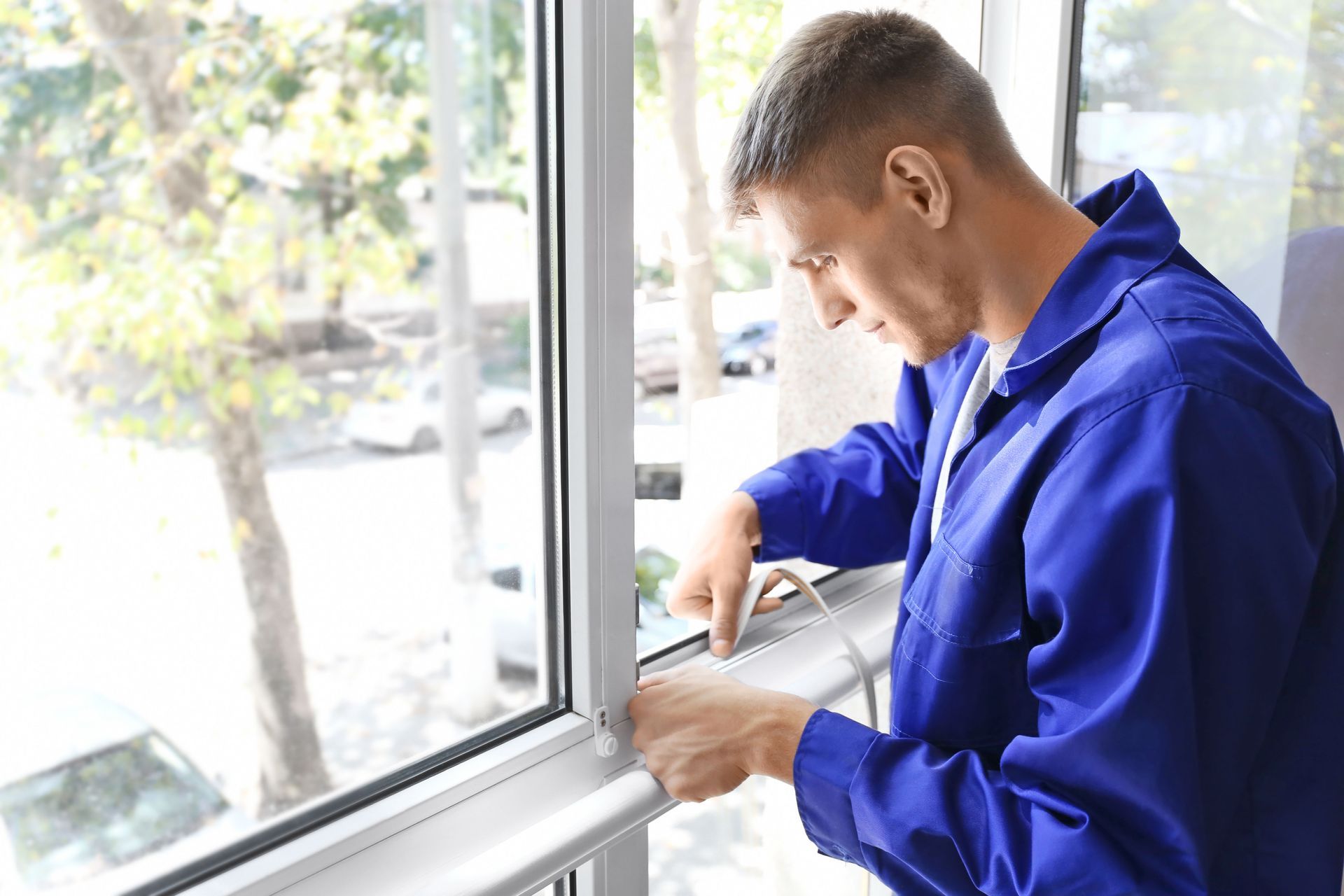
Protecting your newly installed architectural assets ensures that your hard-earned financial savings do not degrade prematurely over the years. Inspecting the exterior perimeter caulking annually allows you to patch hairline cracks before moisture intrusion can cause costly structural rot or drywall damage. Cleaning the tracks and lubricating mechanical balances prevents premature wear on hardware, ensuring the windows remain airtight and perfectly functional for decades. Consistent, proactive care preserves the manufacturer's structural warranty, safeguarding your home value and locking in your domestic energy savings for the long haul. Beyond simple cleaning, paying close attention to weatherstripping integrity and addressing minor operational friction immediately keeps the structural seals completely intact. This minimal ongoing investment of time and basic household maintenance supplies acts as an insurance policy, ensuring that your budget-friendly upgrades continue to deliver peak thermal resistance and operational excellence for their entire intended lifespan.
Achieving an affordable home upgrade requires a deliberate balance between material selection, styling choices, and professional installation tactics. Embracing smart choices like vinyl frames and Low-E glass allows you to curb structural energy loss while respecting your strict household budget parameters. By leveraging tax incentives and maintaining your investment, you ensure these upgraded fixtures provide financial and physical comfort for decades to come. For more information on affordable and efficient window replacements, please reach out to Install Pros today.