August 3, 2026
In the realm of home improvement and commercial construction, entryways have long served a straightforward purpose: providing access, security, and protection from the elements. Yet over the past few years, doors have evolved from functional necessities into major focal points for architectural design, energy conservation, and smart technology integration. Across urban centers and suburban neighborhoods alike, property owners are allocating significant budgets to upgrade their exterior and interior entry systems. As property owners seek to enhance functionality and visual appeal, demand for professional door installation has reached an all-time high.
Several converging factors are driving this remarkable market expansion. From aging housing stock that requires structural updates to the rising cost of residential heating and cooling, property owners have clearer incentives than ever to re-evaluate their doors. At the same time, innovations in composite materials, automated security features, and custom manufacturing have transformed what was once a routine replacement task into a valuable property upgrade. Examining the underlying economic, technological, and architectural trends reveals why this sector is experiencing unprecedented momentum.
The Resurgence of Home Renovation and Curb Appeal
One of the foundational forces propelling the market forward is the persistent wave of residential remodeling. In many developed economies, the average age of existing housing stock is higher than it has been in decades. Rather than moving to new properties during periods of elevated interest rates or inventory shortages, millions of homeowners are choosing to renovate their current living spaces. Among the various home improvement projects available, upgrading the front entryway offers one of the highest returns on investment in terms of curb appeal and resale value.
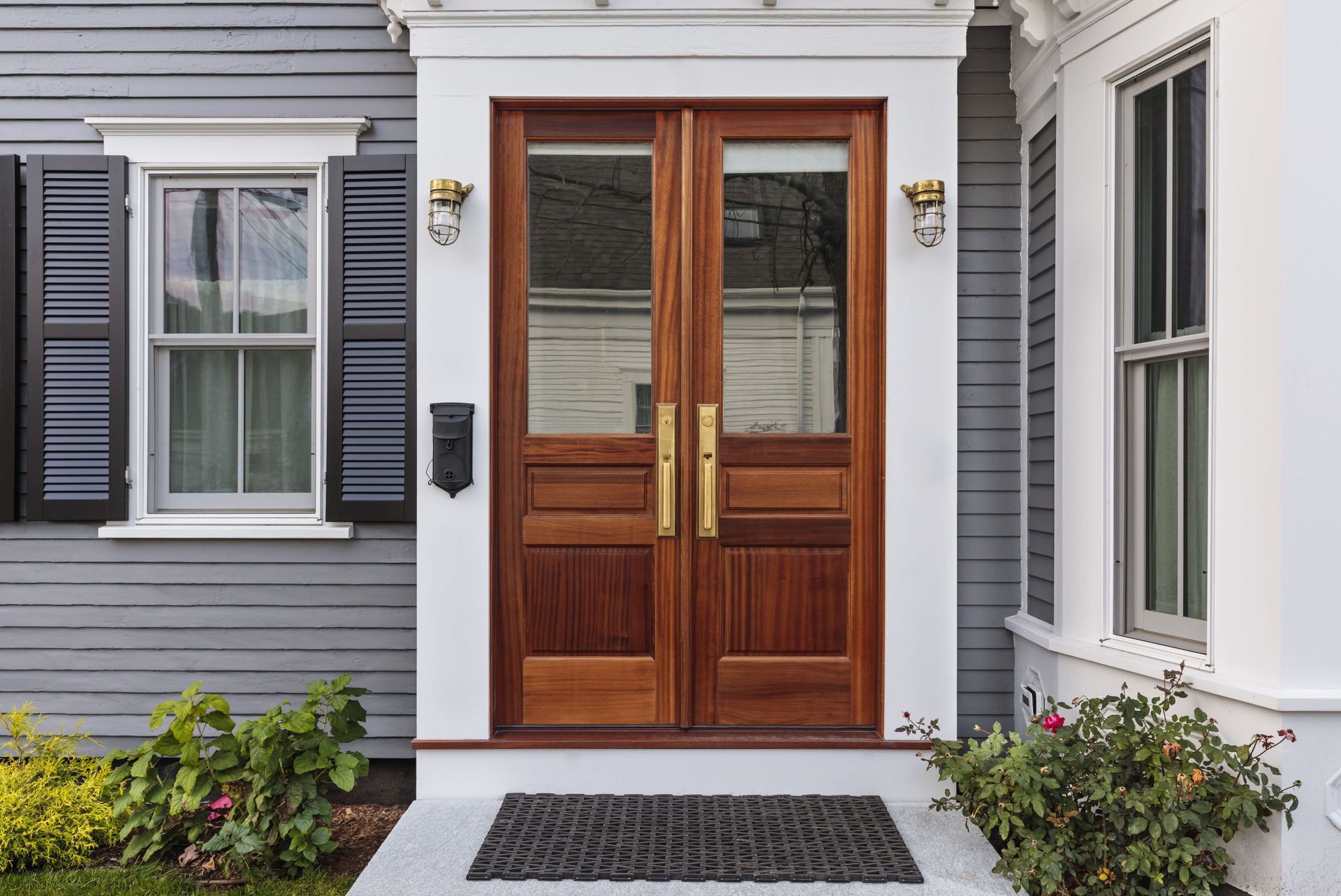
First impressions matter tremendously, both for daily enjoyment and potential real estate listings. A worn, drafty, or outdated front door instantly dates a home, whereas a modern, stylish entryway can elevate the entire exterior facade. Homeowners are increasingly opting for grander designs, such as oversized single doors, double-entry systems, side lights, and transom glass panels that flood interior foyers with natural light. A well-crafted entryway sets the tone for a home, prompting many owners to prioritize professional door installation during their remodeling projects. This emphasis on aesthetics, combined with a desire for durable materials like fiberglass and engineered wood, keeps residential contractors consistently busy.
The Push for Energy Efficiency and Sustainability
Beyond visual appeal, rising utility expenses have made energy efficiency a top priority for residential and commercial property owners. Traditional hollow-core or uninsulated solid doors allow significant amounts of heat to escape during the winter and let unwanted thermal energy penetrate during the summer. In an era where energy conservation directly impacts monthly household budgets, upgrading to weather-rated, insulated doors has become a practical economic decision.
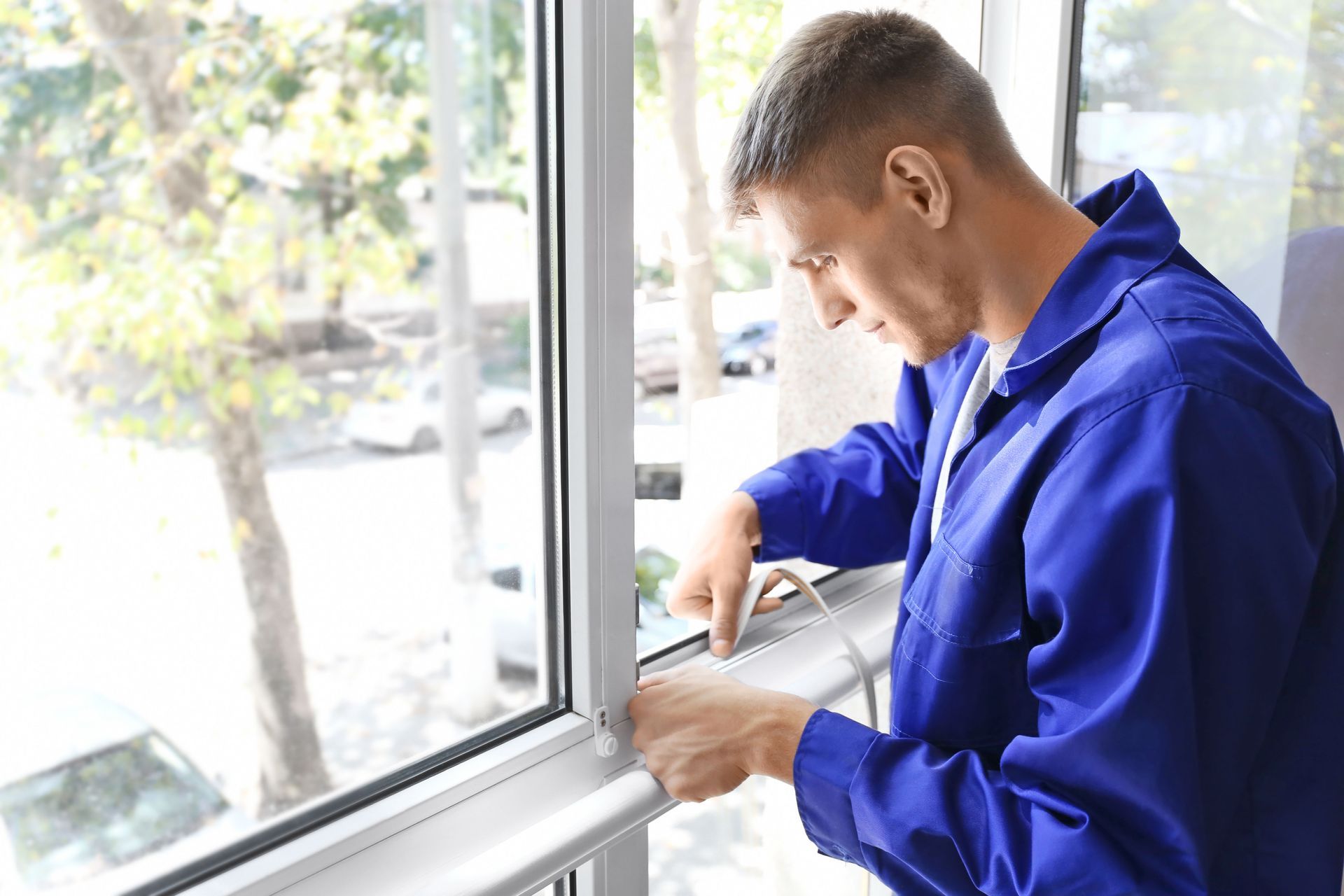
Modern door systems are engineered with thermal breaks, high-density polyurethane foam cores, multi-pane energy-efficient glass, and heavy-duty weatherstripping designed to seal air leaks completely. Governments and regulatory bodies around the world are also introducing stricter building energy codes and offering tax incentives for green retrofits, encouraging property owners to replace inefficient components. According to World Metrics, projections show the global door market growing at a 6.1% CAGR from 2023 through 2030. Proper insulation and airtight seals are essential, making expert door installation vital for minimizing energy loss and maximizing utility savings over the lifespan of the door.
The Integration of Smart Home Technology
The rapid rise of the smart home ecosystem has fundamentally changed consumer expectations regarding home access and security. What used to be a simple mechanical lock operating on a physical key has transformed into an interconnected hub featuring biometric scanners, keypads, smartphone control, video doorbells, and automated deadbolts. Modern consumers want the convenience of granting remote access to delivery personnel, service providers, or family members without compromising property security.
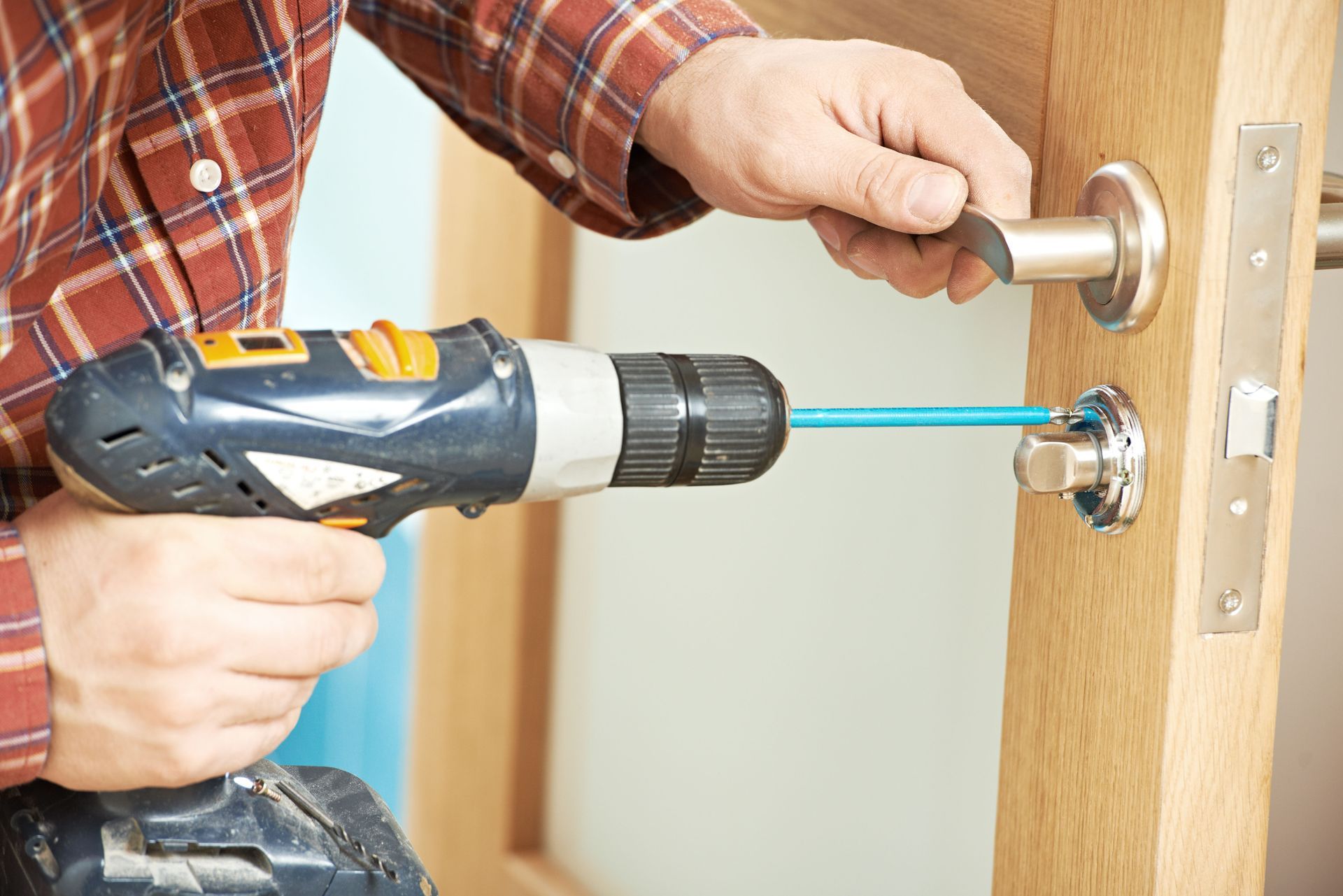
Manufacturers have responded by producing doors specifically engineered to house integrated electronic components, wiring channels, and sensor systems. These advanced units often require a level of precision that goes well beyond traditional carpentry. Proper alignment is critical to ensure that motorized latches engage smoothly, weather sensors operate correctly, and electronic strikes function reliably without jamming. Integrating these electronic locking mechanisms and wiring means that precise door installation is crucial to ensure both physical and digital safety. As smart access control transitions from a luxury amenity to a standard expectation, demand for specialized fitting services continues to climb.
The Effect of Commercial Infrastructure and Urban Expansion
While residential renovation drives a large share of market volume, the commercial and institutional sectors are contributing equally strong demand. Accelerated urbanization, multi-family housing development, and office modernizations require substantial numbers of high-performance doors designed to withstand heavy daily traffic. In commercial environments, factors such as soundproofing, fire resistance, accessibility compliance, and structural longevity take precedence.
For instance, healthcare facilities, educational institutions, and hospitality venues require specialized acoustic and fire-rated doors to meet strict safety regulations. Retail centers and modern apartment complexes frequently install automated sliding or revolving glass entries to manage foot traffic efficiently. Commercial property managers heavily rely on specialized door installation teams to meet strict fire codes and accessibility standards, ensuring that every safety mechanism operates flawlessly under heavy use. This constant need for institutional upgrades and commercial build-outs creates a stable, long-term foundation for the broader market.
The Newest Material Innovations and Product Variety
The materials used in door manufacturing have advanced dramatically over the past decade. While classic solid wood remains popular for high-end luxury homes, materials such as extruded aluminum, fiberglass composites, and uPVC have captured massive market share due to their low maintenance requirements and exceptional durability. Fiberglass doors, in particular, can mimic the natural grain patterns of mahogany or oak while offering superior resistance to denting, rusting, warping, and moisture damage.
This explosion in material diversity allows property owners to select products tailored specifically to their regional climate and architectural preferences. Coastal properties subject to saltwater air and hurricane-force winds benefit from impact-resistant glass and reinforced metal framing, while homes in colder climates prioritize thermal insulation scores. However, working with modern composite materials and heavy glass units requires specialized handling, structural anchoring, and precise squaring during setup. Because even a slight misalignment can lead to sticking or seal degradation, investing in high-quality door installation saves money over time by preventing premature wear on hardware and frames.
The Shift Away from Do-It-Yourself Retrofits
Historically, some homeowners viewed replacing an interior or exterior door as a weekend DIY project. However, as door systems have grown heavier, more complex, and tightly integrated with smart technology and weatherproofing systems, the shift toward hiring licensed professionals has accelerated. Installing a pre-hung exterior door requires precise leveling, shimming, flashing, caulking, and frame adjustments to ensure smooth operation and an airtight seal.
An improperly installed unit can lead to hidden water intrusion, wood rot inside surrounding wall studs, security vulnerabilities, and elevated energy bills. Furthermore, many leading manufacturers explicitly require professional installation to validate their multi-year warranty coverage. Recognizing these risks, property owners increasingly prefer handing off the responsibility to experienced trade specialists who bring specialized tools, structural knowledge, and insurance coverage to the job. Ultimately, the ongoing growth in door installation services reflects a broader shift toward valuing home security, thermal performance, and architectural beauty.
The rapid growth of the door market is far more than a temporary trend; it is supported by structural changes in how people value, protect, and modernize their living and working spaces. As building science continues to emphasize sustainable energy practices and smart access technology becomes the norm, entryways will remain at the forefront of property improvement priorities. For manufacturers, contractors, and property owners alike, the investment in high-performing, beautifully crafted door systems promises to deliver lasting security, comfort, and financial value for years to come. Ready to upgrade your entryways with precision, security, and style? Contact Install Pros today to schedule your consultation with our experienced door specialists!